
Air cooled quenching workbench
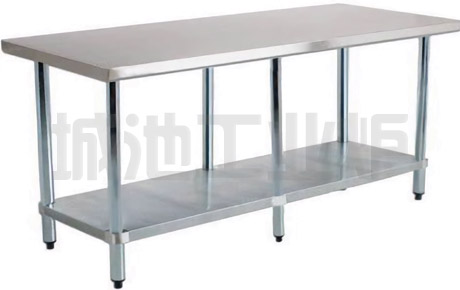
Air cooled quenching workbench
The air cooled quenching workbench,air cooled quenching table,quenching table,forced ventilation quenching table is divided into natural cooling quenching table and forced ventilation quenching table
Abstract
- title: air cooled quenching table
- Promulgator: ChengChi
- Send date:2025-07-20 11:09:08
- Tags: austenite,air cooling,forced ventilation,cool hardening table,tool steel,martensite,wear resistance,worktable,Hardness,quenching table,bainite,alloy steel,quenching,
Keywords: air cooling, quenching, worktable, forced ventilation, quenching table, alloy steel, tool steel, austenite, martensite, bainite, hardness, wear resistance, cool hardening table,
Air cooled quenching workbench
The air cooled quenching workbench,air cooled quenching table,quenching table,forced ventilation quenching table is divided into natural cooling quenching table and forced ventilation quenching table according to the cooling method. The quenching table is composed of thickened stainless steel heating surface plate, adjustable bracket or mobile bracket. The forced ventilation quenching worktable is a hollow type worktable, and the air source is generated by a compressed air machine or a blower/high-speed fan. It is arranged at the bottom or side of the worktable, and uses high-speed airflow to quickly cool the heated workpiece. This method has a relatively slow cooling speed, but avoids the potential thermal stress concentration and cracking problems that may occur during water quenching. Therefore, wind quenching is more suitable for small, thin-walled, or complex shaped workpieces, as well as materials that require higher deformation control.
Air cooling quenching table/heat treatment. Air cooling quenching is a process method that changes the internal structure of metal materials by controlling the cooling rate, and is suitable for materials such as alloy steel and tool steel. The core of the process is to use high-speed airflow to remove heat, transforming austenite into martensite or bainite, and improving material hardness and wear resistance. The key parameters of this technology include cooling medium flow rate, temperature gradient distribution, workpiece placement, and control of phase transition critical point.
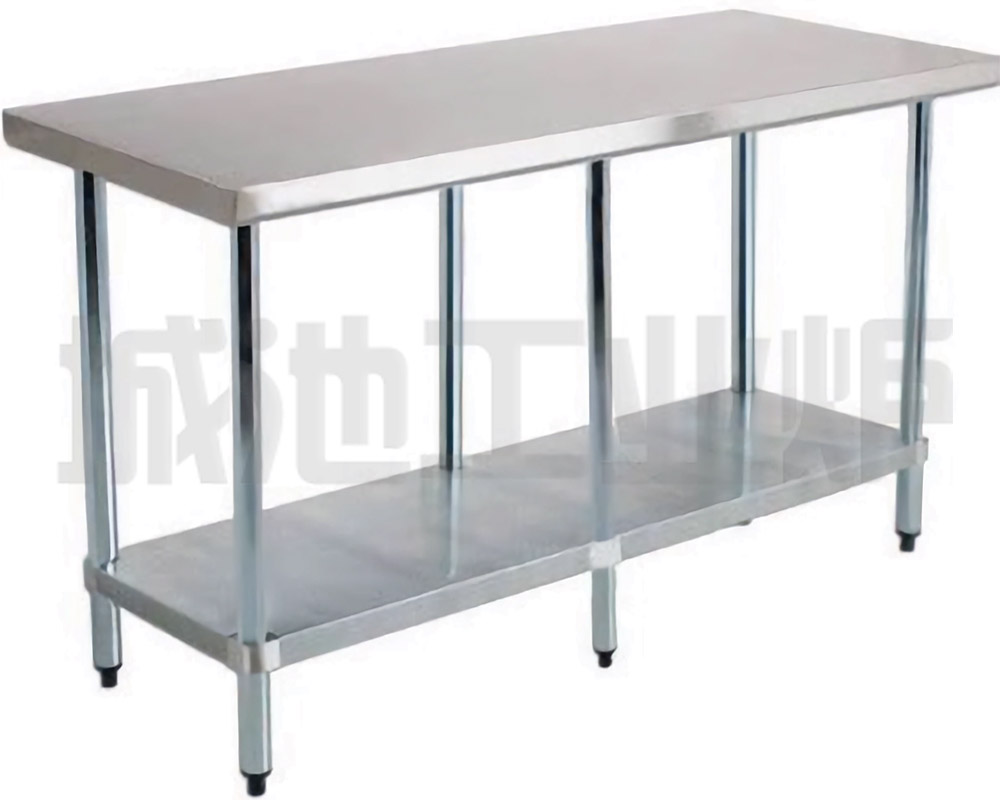
air cooled quenching workbench,air cooled quenching table,quenching table,forced ventilation quenching table
Forced ventilation cooling quenching is a metal heat treatment process that involves immersing austenitic chemical components in a specific medium and continuously cooling them to room temperature. It is mainly used for continuous bright quenching, annealing, solution treatment, and adjusting the mechanical properties of batch parts. Common media include water, oil, and specialized quenching agents. Carbon steel often uses water-based media, while alloy steel often uses oil-based media.
After heating to the austenitization temperature, metal materials need to immediately enter the air cooling process. The cooling rate must be higher than the critical cooling rate to prevent the formation of pearlite or ferrite. Axial flow fans or centrifugal fans are usually used, with wind speeds controlled within the range of 15-30m/s. Special alloys require a circulating cooling system under nitrogen protection. The temperature difference between the surface and the core of the workpiece should be kept within 200 ℃ to avoid deformation and cracking caused by excessive residual stress.
The implementation of the process includes six key stages: furnace positioning should ensure that the distance between workpieces is greater than 1.5 times the thickness of the section, and ensure uniform coverage of the airflow; The initial cooling stage adopts gradient cooling method, maintaining 80% wind speed for the first 30 seconds, and then switching to full speed mode; The layout of temperature monitoring points follows the principle of three zones and nine points, with thermocouples installed on the surface, transition zone, and core of the workpiece; The phase transition monitoring adopts infrared thermal imaging technology, and the slow cooling program is initiated when the material enters the Ms point (the temperature at which martensite begins to transform); The final cooling temperature should be below 50 ℃ to prevent self tempering phenomenon; The unloading process requires the use of anti oxidation coating spray to isolate air contact.
More Air cooled quenching workbench: en.chengchi.net/view-260.html
